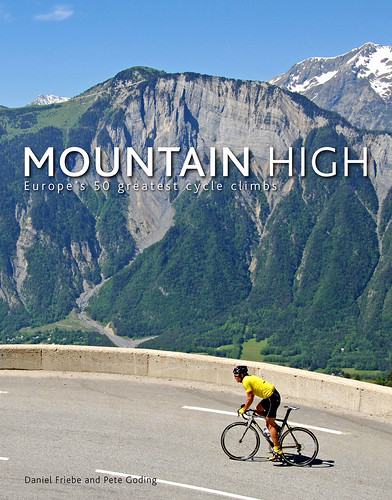
I could just say this is a great book that is well-researched and complete with stunning photographs. But there’s plenty more to add.

I could just say this is a great book that is well-researched and complete with stunning photographs. But there’s plenty more to add.
Cyclocross first began as a way to allow riders to keep fit over the winter by mixing riding, offroad skills and running. But is now a sport in its own right. Yes, it’s fun. Yes, it’s a good workout. But for me so much about cyclo-cross just isn’t right. Here’s why:

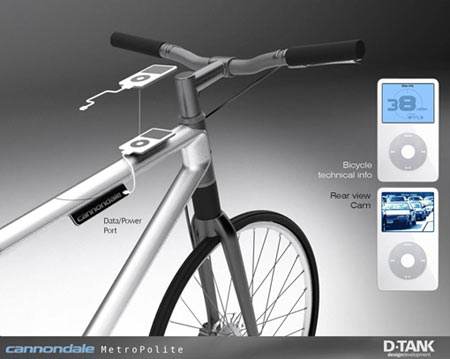
Visit a motorshow and you’ll soon see the concept cars, with their futuristic designs and science fiction comic book looks. Designers have done the same with bikes but I think we’re at a point were imagination and extrapolation aren’t necessary, in that the technology of tomorrow’s road bike is appearing now.

As well as the international award, Vélo Magazine offers a domestic prize to the best French rider of the year. For 2011 the choice was obvious, Thomas Voeckler. As ever this blog has a particular focus on French cycling so here’s a look at Voeckler’s season and the other contenders for the award.
Garmin-Cervélo was to become Garmin-Big Mat but the French building supplies firm pulled out, leaving the squad hunting for a new sponsor and with a hole in their budget. I wonder what happened to make the company back out, especially since there are reports of a “binding” letter. But that’s for another day.
Fortunately there is Doug Ellis (pictured left). The Chairman of Slipstream Sports and a very wealthy entrepreneur, he helped Jonathan Vaughters found the squad several years ago. But it means the team now joins the Sugardaddy club of squads dependent, partially or wholly, on wealthy backers.
Flashback to July and Alexander Kolobnev tested positive in the Tour de France. It was the only doping scandal of the 2011 race and the media besieged the Château de Salles, the Katusha team’s overnight accommodation. Some riders and team staff went to police station, adding to the tension.
Except now the verdict has fallen and it’s far less dramatic: a warning and a fine of 1,500 Swiss Francs (US$1,700). We will get further details of the case in two weeks when the Russian authorities publish their verdict in full. But this is the lightest option possible, a small fine and no suspension. This suggests Kolobnev presented satisfactory evidence to prove he accidentally ingested the banned substance. But the case highlights a lot more.
Most of content on the Inner Ring is about men’s pro road racing but I follow the women’s side of the sport too. Right now we’re seeing teams disappearing and in 2011 some of the big races on the calendar have gone, a point made in an articulate interview by Australian rider Bridie O’Donnell on SBS.
There are calls to improve the women’s side of the sport with ideas like compulsory women’s teams for every World Tour squad or for big race organisers to put on a women’s race too, with Gerard Vroomen making some great arguments. I like these ideas… but maybe there’s more to be done?
A professional cyclist’s work is seasonal and from now until early 2012, the rhythm of work changes given that the racing season is over. What happens in the off-season?
With the pro road race season finished, now is the time to look back and reflect on the past season. I don’t want to spend winter doing endless retrospectives and lists of the best this and that. But hindsight does allow us the chance to review things.
Soon Vélo Magazine will publish the winner of the Vélo d’Or award (“golden bike). In football the Ballon d’Or prize is one of the most prestigious awards and this sister prize too must be one of the best awards in cycling. They ask cycling journalists around the world for their best five riders of the season and add up all the contributions to see who has come out on top. It is hard to pick five riders from a cast of thousands but for the fun of it I thought I’d see who I’d rate right now.