
During the Giro I gave away a couple of keyrings and it was a fun competition because it was simple. Winning packages were dispatched to Spain and Poland. Now it’s time for a Tour de France giveaway competition.

During the Giro I gave away a couple of keyrings and it was a fun competition because it was simple. Winning packages were dispatched to Spain and Poland. Now it’s time for a Tour de France giveaway competition.

Famous for its 24 hour motor race, the start town of Le Mans will have hosted the race for no more than 18 hours before the riders head off to Châteauroux, a town famous for nothing.
The stage crosses flat terrain, if you think France as the land of baguettes and croissants, this is where the flour comes from, with fields of cereal as fare as the eye can see. The race also passes through the Loire valley, home of many impressive châteaux and vineyards. But I have to describe the landscape as there’s not much to say about the stage.
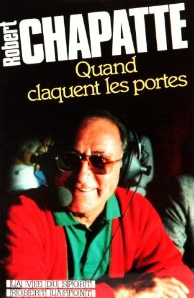
Robert Chapatte was a professional cyclist for 11 years, riding the Tour de France nine times and finishing 16th in 1949. He was the first French cyclist ever to do a TV interview and perhaps this encounter with the media changed his career forever.

The longest stage in the race but no marathon. The races leaves Brittany and heads for Normandy and its woodland bocage where they grow the apples to make calvados. Note the presence of three categorised climbs, if a breakaway goes then someone has the chance to take the King of the Mountains jersey, albeit with a slender lead.
The video above is an advert from Škoda, a car brand belonging to the Volkswagen group. Once infamous held up as examples of why the Soviet Union was doomed Škoda is a modern European manufacturing success story.

With his win today on the Cap Fréhel, Mark Cavendish’s total of Tour de France stage wins stands at 16 stage wins. That puts him above übersprinter Freddy Maertens but still a few places behind André Darrigade, the Frenchman who took 22 stage wins from 14 Tour de France appearances. Aged 26, Cavendish has time on his side to achieve more wins.

Cap Fréhel is a small peninsula, a cape, on the coast of Brittany with only 1,600 inhabitants and the actual finish location is the village of Pléhérel. The arrival of the race today will probably be the biggest thing to happen in the village’s history. It’s a unique setting with tall cliffs above the sea, heathland and salty air.

The Tour de France is racing across Brittany at the moment. This the region in north west, the big finger that pokes westwards into the Atlantic. It’s a hotbed of French cycling where many a village festival is accompanied by a small race and where one of the biggest races in France takes place, the GP Plouay.

It’s Philippe Gilbert’s birthday today. He won the opening stage of the Tour on the day of his wife’s birthday and everything points to a repeat today. Almost.
The first climb La Côte de Laz is 1.6km at 5.9%, big ring territory and only one point on offer as it’s a fourth category climb.

“We’d fixed the goal of finishing between twelfth and fourteenth place and we’re right on cue because we finished thirteenth! The result on the day was rather satisfying”
That’s Ag2r-La Mondiale’s team manager Vincent Lavenu speaking after yesterday’s team time trial. Homer, not the ancient Greek but the Simpson, said the secret to happiness was low expectations so their must be smiles all round with Ag2r yesterday. Aiming for 12th-14th spot, the team hit the mark for sure. In fairness, the team does not have many rouleurs and the goal was realistic rather than romantic.