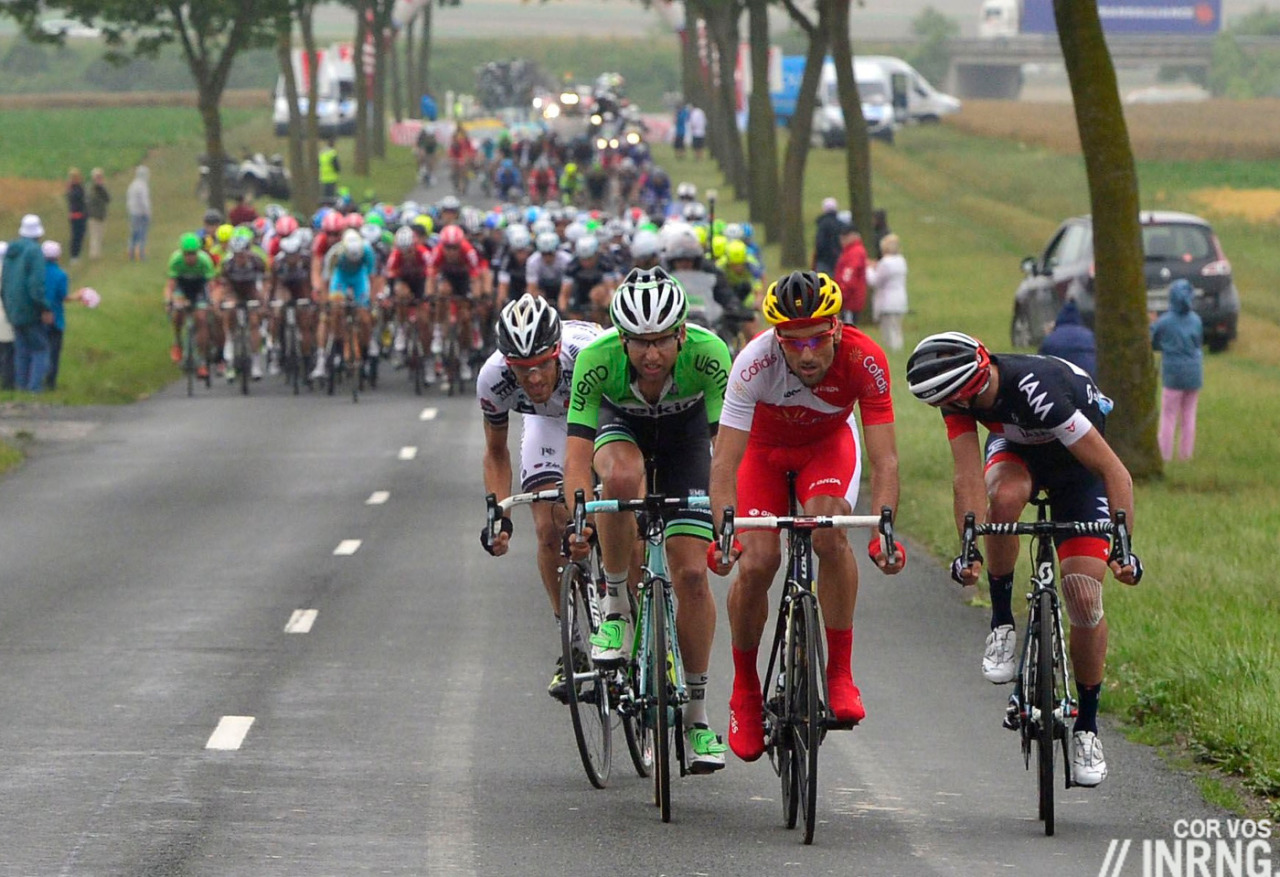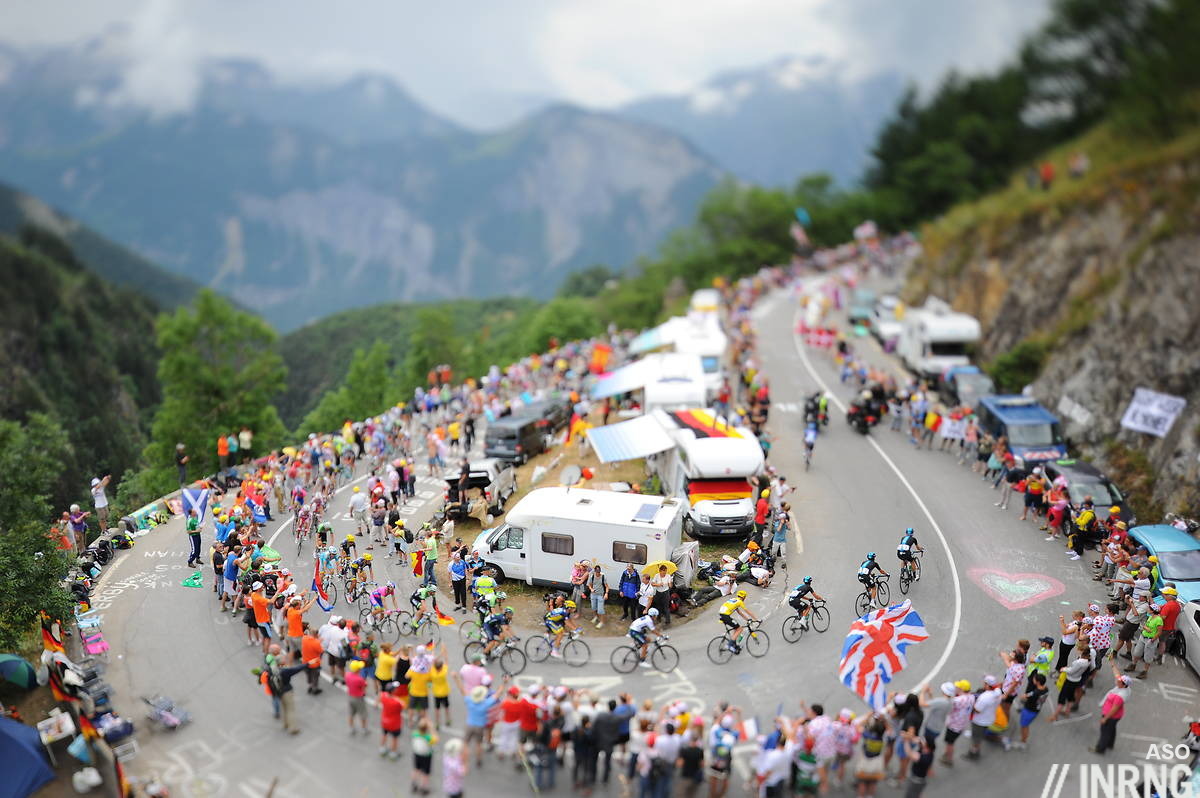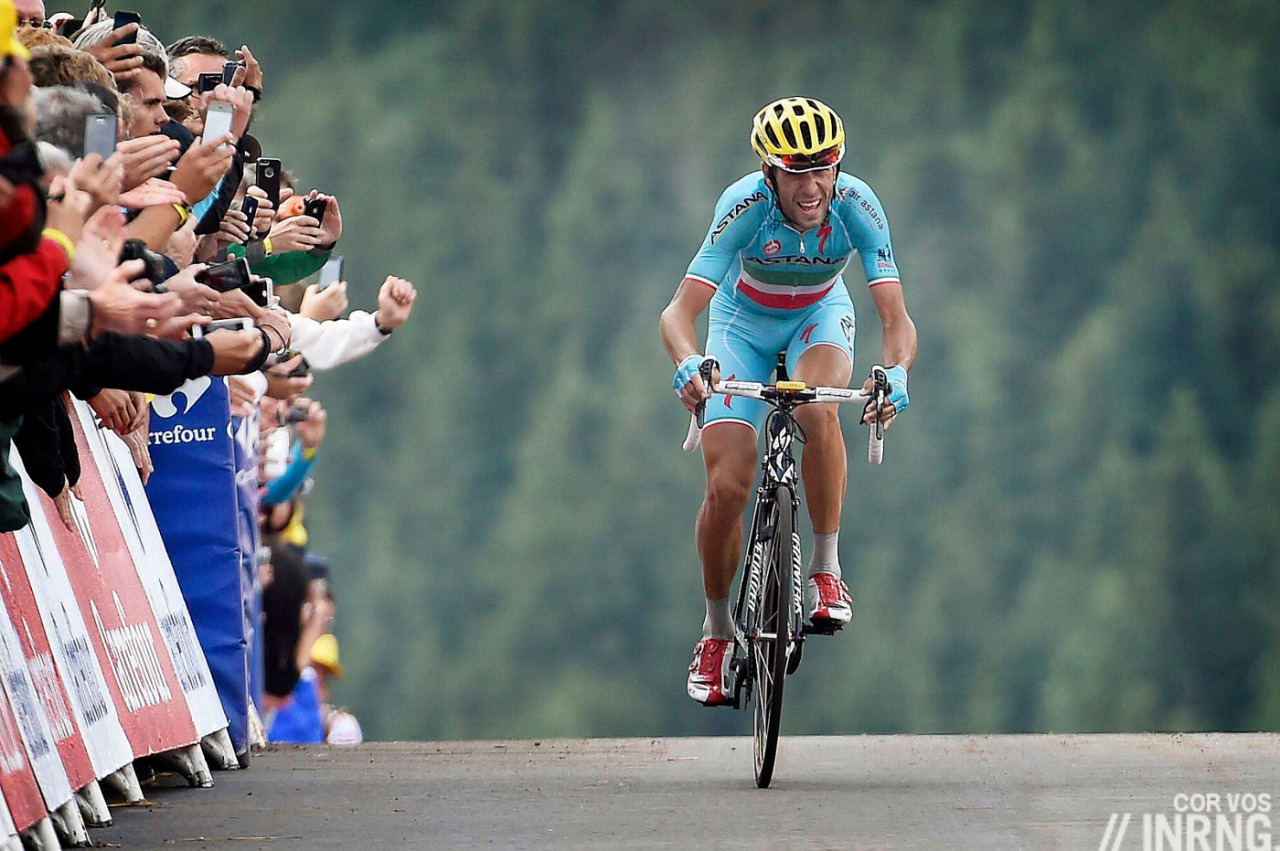
199km but this is a race dominated by the final climb of the Mur de Huy. Even if it’s actually climbed three times it’s still the third time that usually determines the winner. But it takes plenty to get to the final climb and more to arrive at the foot of the “wall” in the perfect place. This mid-week classic is always a drama and a great pointer for Sunday’s Liège-Bastogne-Liège showdown.
USADA Ban Bruyneel and Expose Contador

550 days have passed since the US Anti-Doping Agency (USADA) issued Lance Armstrong with a lifetime ban. But the case was never just about Armstrong, it was the “US Postal Conspiracy” and involved a range of characters.
Johan Bruyneel’s name appeared 129 times in the USADA reasoned decision and a ban always looked inevitable but the case went to arbitration and was delayed until a hearing last December and today the verdict is out. Bruyneel gets a 10 year ban while former US Postal/Discovery team staff Pedro Celaya and Jose “Pepe” Martí each get an eight year ban.
In a sense this marks the end of the road for the US Postal case although not the end of the story. Plus the USADA report reveals Martí was working for Team Saxo-Tinkoff which could prove awkward for the Danish team and Alberto Contador.
Giro iCal

RCS have put out updated stage info and more on the Giro website. Just as there’s a season-long calendar of all the major men’s and women’s races to download, here’s the stage by stage Giro ical for your phone or electronic diary.
The Moment The Race Was Won: Amstel Gold Race
The Amstel Gold Race is a race of repetition. Repeat enough small climbs and you get a total vertical gain close to an Alpine stage of the Tour de France. The Cauberg is climbed repeatedly. And today Philippe Gilbert repeated exactly the same move that won him the world championship road race in 2012. On the last time up the Cauberg he attacked hard on the inside of the bend, the steepest part of the climb and immediately distanced everyone else and over the top he had a tailwind to help speed him to the finish line.
Cycling and Beer
Amstel Gold Race Preview

Giant crowds, 34 climbs and a brewery as race sponsor, what’s not to like about the Amstel Gold Race?
This is a very different race to the ones we’ve seen in recent weeks. Born in 1966 it is the newest of the spring classics and defined by suburban roads instead of medieval farm tracks. It marks a change in the season where stage race specialists compete alongside one day specialists.
Here’s the preview with the riders, the route, the TV timings, beer, weather and more.
Thursday Shorts

Is Philippe Gilbert back? He won the Brabantse Pijl yesterday by beating Michael Matthews in the sprint but only minutes before he was making a big solo effort off the front of the bunch. It’s only his second win since the world championship title in 2012 and his first win in a BMC jersey in his home country. We’ll know more about his form and confidence this Sunday with the Amstel.
The Future of the Cobbled Classics
The Brabantse Pijl takes place today and marks the transition from the cobbled classics to a season of hillier races stretching from the Ardennes to the Alps and beyond. Before the peloton collectively heads for hills, time for a short look back in order to look forward to 2015.
This year’s Tour of Flanders and Paris-Roubaix were vintage editions with excitement and action. They took place with note of history-in-the-making as Tom Boonen and Fabian Cancellara each had a chance to engrave their name alongside past champions like Roger De Vlaeminck and Alberic “Briek” Schotte. But what of the future? Certainly Boonen and Cancellara have a chance to win again next year but there’s a whole new generation of riders coming through who want to win and they’ll be making plans to return with a bang in 2015.
Book Review: Faster by Michael Hutchinson
Red Cards: Cycling’s Need For Visible Justice

The call for riders to be given yellow and red cards as warnings and sanctions in a bike race got a few laughs last week. Unlike other sports where play can be stopped you can’t stop a race unless in the most severe of circumstances so seeing officials waving cards could be a symbolic gesture at best. But that’s the very reason why we need them.