
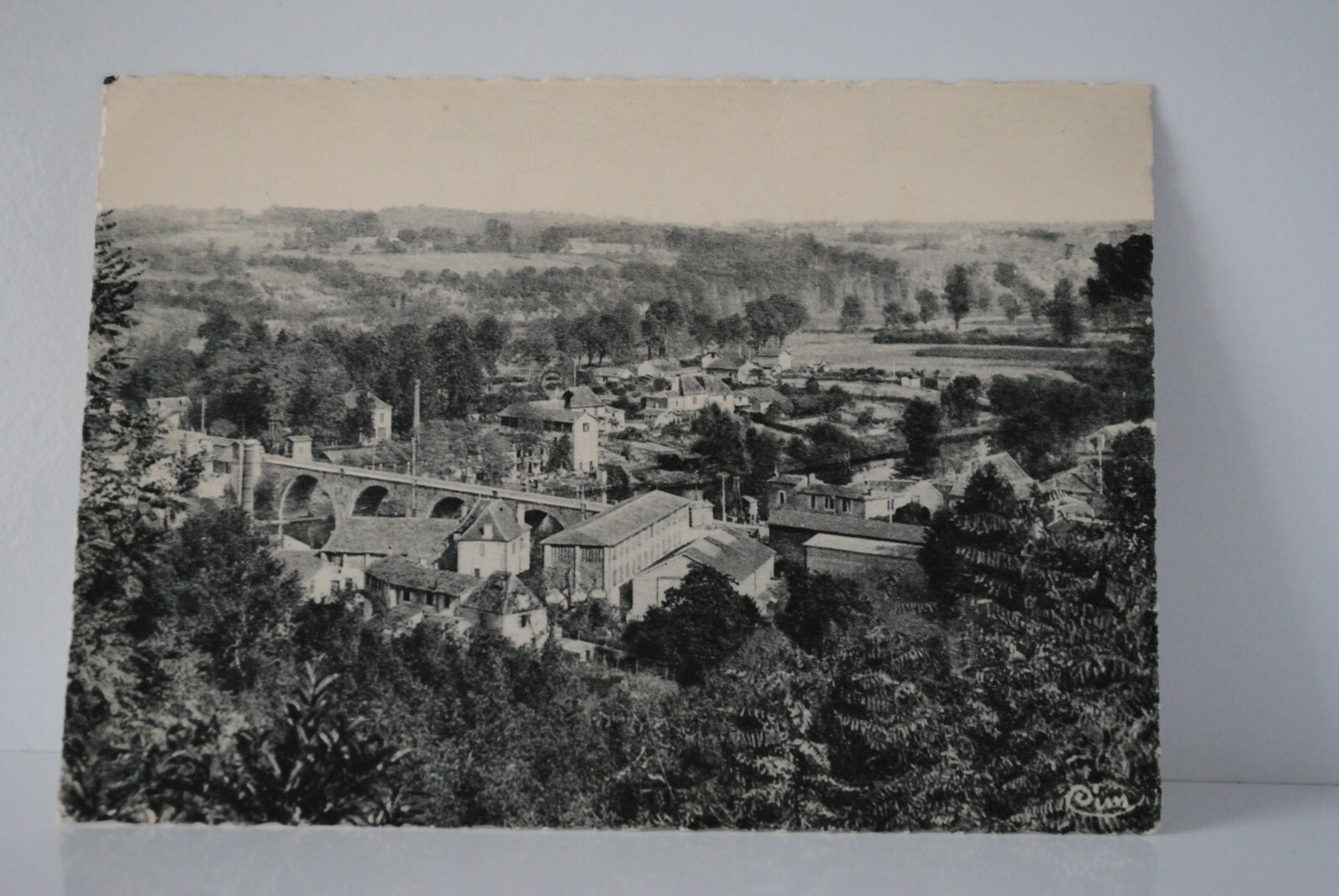
The race will go through Port-de-Couze with 25km to go as it speeds towards Bergerac. It’s here that the greatest ever tragedy to afflict the Tour de France occurred.
Stage 19 of the 1964 Tour de France went from Bordeaux to Brive. Along the way was Port-de-Couze, so-called for the canal and infrastructure used to make the Dordogne river navigable and sustain several factories in the valley.
The road layout has changed since. Back then there was a tight bend with a bridge over the canal. On the day of the race a vehicle in the publicity caravan skidded on the bend. Seeing the danger, the waiting crowd were moved off the bridge and to the other side of the road by local police.
After the caravan had passed a police tanker truck carrying kerosene to fuel a helicopter lost control on the same bend. Only this time it swerved to the other side of the road, hitting the crowd and falling into the canal, taking many people into the water with it.
People in the crowd spontaneously started a rescue mission, one spectator plunged into the water to rescue the truck driver and several lives were saved. The race itself reached the scene within a few minutes and the Tour’s medical staff worked to help the victims as stunned riders look on, grizzly reports tell of body parts floating. Nine or ten people died according to accounts, including four children, and many more sustained grave injuries.
Shocked riders opted to ride on, at first in a slow procession. A few kilometres later a man beside the road who had been waiting for the delayed peloton and unaware of the tragedy heckled the riders for being lazy. One rider, Pierre Everaert, got off his bike to punch his lights out. It needed the police to pull him off.
Today the Tour organisers fear an accident in the race convoy and publicity caravan as much as the peloton, for all the peloton safety talk the caravan is as important. A boy died in 2002 after he was struck by a publicity vehicle, a woman died in 2009 she was hit by a motorbike. Police on the race are not just there for the peloton, they also test anyone with Tour accreditation for alcohol levels and enforce the public speed limits when in past years the closed roads were treated the roads as a private track.
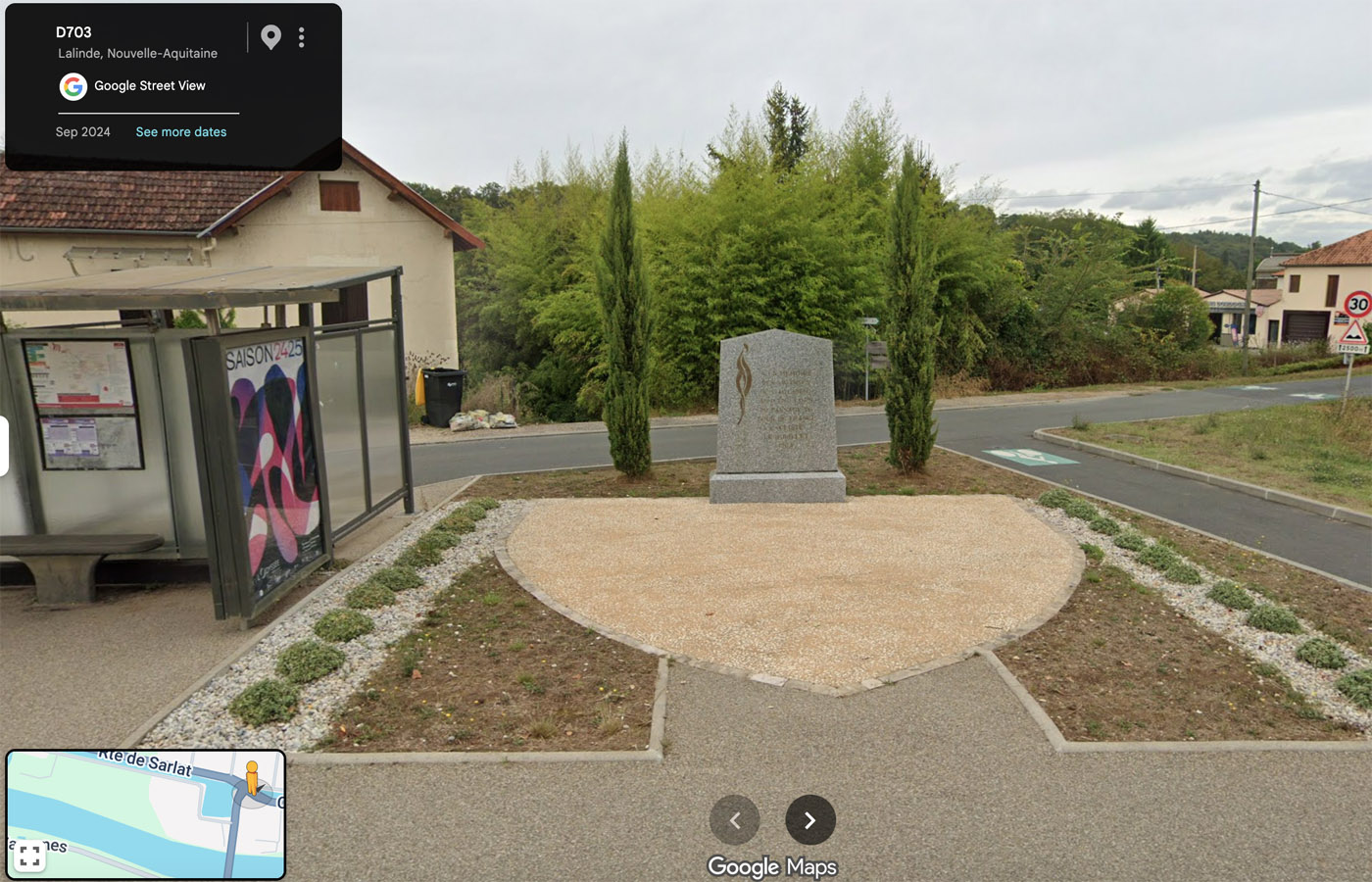
There is a statue in memorial beside the road today with 24km to go. One thing to observe today is if anyone else mentions the tragedy. The 1964 Tour de France is held up as one of the best ever editions but the Port-de-Couze tragedy is a buried memory. The organisers have swept past before without stopping. As Swiss journalist Simon Meier wrote “the winners get to write history“.